The sustainable brand you use every day but have probably never heard of
Apr 1, 2026
Riddle me this. What’s a brand that you probably use every day but have never even heard of? It faithfully performs its job without clamouring for your attention yet remains hidden in plain sight.
Drum roll, please… Yoshida Kōgyō Kabushikikaisha.
Still confused?
Well, the last time you zipped up a jacket or closed your bag, there’s a strong likelihood that you’ve literally touched this brand.
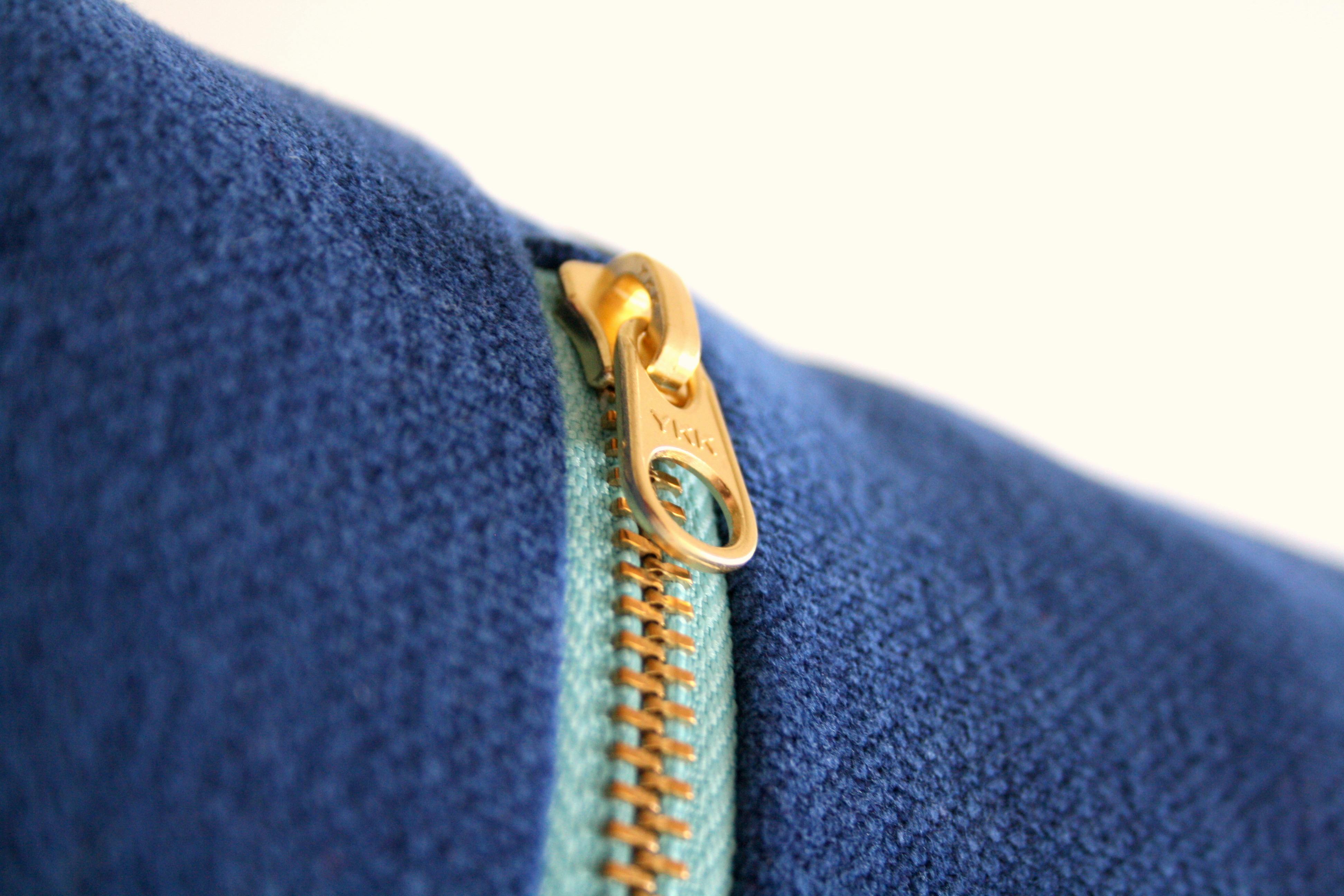
Better known as YKK, this Japanese company produces almost half of the world’s zippers. In FY 2024 alone, it manufactured 10 billion fastenings. Think about it. It’s enough to circle the Earth 80 times if laid end to end. That’s an awful lot of zippers!
Yet, despite its ubiquity, it remains invisible to most. It’s a brand that quietly works in the background, ensuring reliability without demanding recognition.
But YKK’s invisibility is not a weakness, far from it. The company was built on consistency, durability, and trust. And the humble zipper is also a perfect metaphor for sustainable website design: We don’t notice it because it just works.
Running in the background: The power of invisible infrastructure
A zipper’s strength is understated. It’s not meant to steal the limelight. It functions seamlessly without drawing attention to itself. But if it fails, you’ll notice it immediately. Think about the last time a zipper broke on you. Suddenly, this modest piece of hardware becomes the center of your world. Life can be funny like that: When you take something for granted, you forget about it. But when it fails, you can’t think about anything else.
The same is true for your website: clean semantic HTML, optimized image loading, and a logical information architecture. The average reader doesn’t consciously notice these elements, yet they profoundly shape the user experience.
When a user lands on a page, and the content hierarchy is immediately clear, when images load progressively without jarring shifts, when the navigation makes intuitive sense, that’s invisible architecture doing its job. YKK tests its zippers thousands of times to ensure they work smoothly. Similarly, meticulous attention to detail ensures that a sustainably designed website is built to last.
When the background elements work together in harmony, you can focus on what matters most instead of battling a broken system.
Reliability as a philosophy in sustainable web design
YKK’s obsession with reliability is legendary. It manages every stage of the production cycle, from smelting brass for zipper teeth to weaving polyester tape. Owning the entire supply chain allows YKK to eliminate weak points and maintain consistency.
For websites, this translates to choosing technologies that work together seamlessly. “Closed ecosystems” reduce points of failure. You’re not constantly troubleshooting conflicts between incompatible plugins or wondering which third-party script is slowing your page load.
A well-built site means durability: a product that works reliably, day after day, click after click.
You may not know YKK by name, but you trust the product implicitly. It’s the same with a well-thought-out website. When the user knows it won’t fail them, they’ll engage confidently. And that trust can inspire action.
Sustainability in the background
YKK’s model offers concrete lessons for sustainable web design:
Control of the supply chain | By managing all the internal components, YKK reduces waste and ensures quality. In web design, this means choosing components that integrate cleanly – using system fonts instead of five unrelated typefaces, implementing fast image loading, and consolidating elements rather than cobbling together dozens of third-party services.
Durability over disposability | A zipper that lasts for decades keeps it out of the landfill. A thoughtfully designed website that remains functional without constant redesigns does more than inspire confidence. It dramatically reduces carbon emissions. Every redesign means new resources, not to mention a greater financial outlay: developer hours, server processing, and user devices downloading new assets. A 2019 study found that the average website produces 1.76 grams of carbon dioxide per page view. Multiply that across millions of visits and unnecessary redesigns, and the impact quickly starts to add up.
Invisible impact | Sustainability often works best when it’s unseen. Readers don’t need to know that your typography scale reduces cognitive load or that your compressed images cut bandwidth by 60%. They need to feel the experience instinctively.
We’re not talking about flashy gestures here, just calm systems that work as a consistent whole.
Celebrating the unseen
Your website is like a jacket. The content is the fabric, the visuals are the style, and the infrastructure is the zipper that holds it all together. If the zipper fails, the jacket is useless. If your website’s infrastructure fails, the entire experience collapses.
There’s a quiet elegance in things that work invisibly. YKK zippers, typographic scales, and reliable hosting servers. They don’t demand your attention, but they profoundly shape your experience.
A sustainable website reduces waste, increases reliability, and builds trust through celebrating the unseen, ensuring the experience is seamless from first click to last.
A philosophy for life
A YKK zipper is more than just a fastener. It reminds us that those unsung systems quietly running in the background often shape our lives the most. If you don’t believe me, think of the last time your power went out.
In sustainable design, the zipper is a metaphor for the work we rarely see but always depend on.
So the next time you zip up your jacket, pause for a moment. Let this be a gentle reminder: Sustainability isn’t always about flashy spectacle. It’s about the quiet systems that faithfully hold everything together.
—
How does your website measure up? Let’s explore how we can make your digital presence more inclusive and sustainable